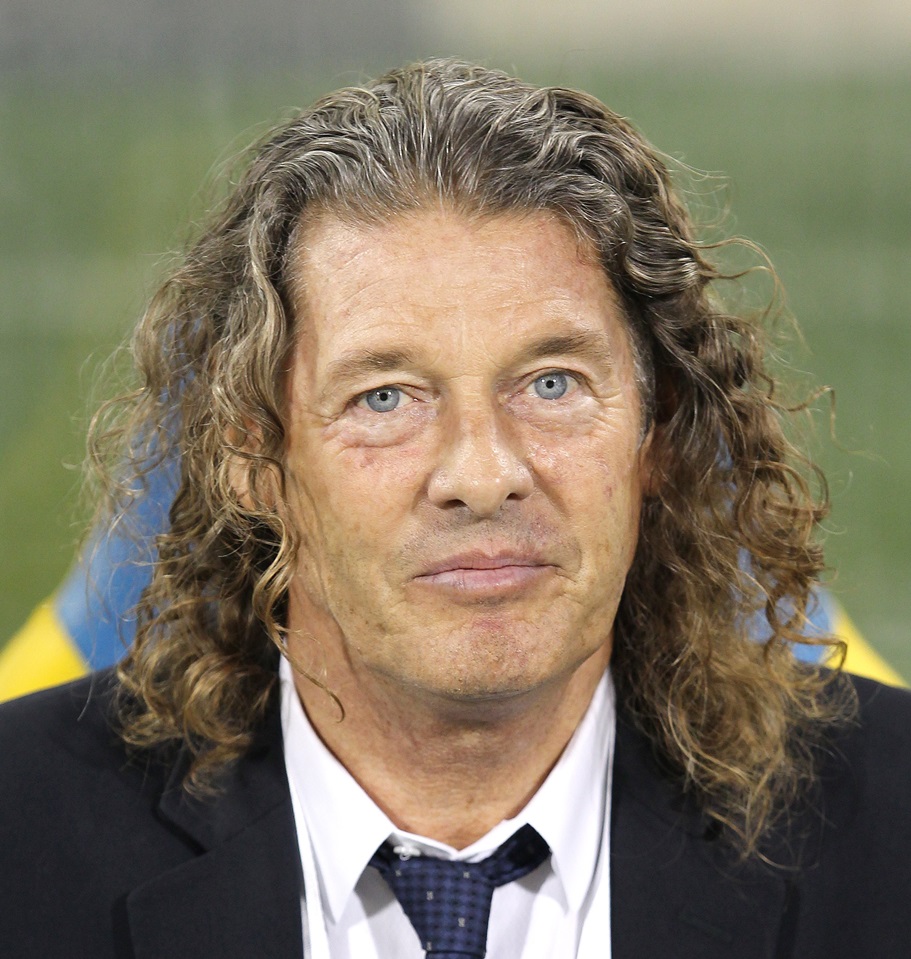
Quick Facts: Bruno Metsu (1954–2013)
- Full Name: Bruno Jean Cornil Metsu (also known as Bruno Abdoul Karim Metsu)
- Born: January 28, 1954 — Dunkerque, France
- Died: January 14, 2013 (age 58) — colon cancer
- Height: 179 cm (5’10”)
- Occupation: Professional footballer, football manager
- Playing Career: 1973–1987 (seven French clubs)
- Best Known For: Coaching Senegal to the 2002 World Cup quarterfinals
- Spouse: Viviane Dièye
On May 31, 2002, the football world watched in disbelief as Senegal — a team making its first-ever World Cup appearance — stunned defending champions France with a 1-0 victory in the tournament’s opening match in Seoul. The man on the sideline orchestrating that historic upset was Bruno Metsu, a French-born manager who’d adopted Senegal as his own. That single result didn’t just shake up the 2002 World Cup. It announced the arrival of African football on the biggest stage and cemented Metsu’s name in the sport’s history books. He passed away from colon cancer on January 14, 2013, at the age of 58, but his legacy as one of football’s great underdog coaches hasn’t faded.
Early Life in Dunkerque
Where did Bruno Metsu grow up?
Bruno Jean Cornil Metsu was born on January 28, 1954, in the port city of Dunkerque (Dunkirk) in northern France. He grew up in a working-class environment in the Nord-Pas-de-Calais region, an area with deep football traditions. The city’s industrial character and tight-knit community shaped the competitive, no-nonsense attitude Metsu carried throughout his life. Football was the obvious outlet for a young man from the docks, and he took to it early, showing enough promise to break into the professional ranks as a teenager.
Playing Career
What was Bruno Metsu’s playing career like?
Metsu’s playing career spanned roughly 14 years, from 1973 to 1987. He was a midfielder — technically sound, physically committed, and well-liked by teammates. He turned out for seven French clubs during that stretch, including Lille OSC, RC Lens, Valenciennes, AS Beauvais Oise, CO Saint-Dizier, and USL Dunkerque. None of these stints produced major silverware or national team call-ups, but Metsu was a reliable professional who earned respect at every stop. His time at Lille and Lens, both significant clubs in northern France, gave him exposure to higher-level tactical thinking that he’d later draw on as a coach. By the time he hung up his boots in 1987, Metsu already had his eye on the dugout.
Coaching Career
How did Bruno Metsu become a football manager?
Metsu transitioned into coaching almost immediately after retiring as a player. He started with smaller French clubs, including AS Beauvais where he’d previously played. These early management roles were modest — lower-division teams with limited budgets — but they gave him a grounding in squad building and man-management that bigger-name coaches sometimes lack. He earned a reputation as someone who could get the best out of limited resources, a skill that would define his entire managerial career. His work in the French lower leagues caught the attention of football federations looking for coaches who could do more with less.
What happened at the 2002 World Cup?
This was Metsu’s masterpiece. Appointed as head coach of the Senegal national team — the Lions of Teranga — he built a squad around talented players like El Hadji Diouf, Papa Bouba Diop, and Khalilou Fadiga, many of whom were plying their trade in European leagues. Metsu didn’t try to turn Senegal into a European-style team. Instead, he encouraged flair, aggression, and collective belief.
The opening match against France on May 31, 2002, was supposed to be a formality for the reigning world and European champions. It wasn’t. Papa Bouba Diop scored the only goal, and Senegal’s defense held firm against Zinedine Zidane’s France (though Zidane was carrying an injury and didn’t start). The 1-0 win remains one of the greatest upsets in World Cup history.
But Senegal didn’t stop there. They drew with Denmark, beat Sweden in the group stage, and then defeated Sweden again in the Round of 16 thanks to a golden goal from Henri Camara. In the quarterfinals, they fell to Turkey after extra time. Still, reaching the last eight in their first-ever World Cup was an extraordinary achievement. Metsu was hailed as a tactical genius — or, as he became known, “The White Sorcerer.”
The same year, Metsu guided Senegal to the Africa Cup of Nations final, where they lost to Cameroon on penalties. Two major tournament runs in a single year proved it wasn’t a fluke. Metsu had built something real.
Where did Bruno Metsu coach after Senegal?
After his Senegal triumph, Metsu moved to the Middle East, where his reputation opened doors. He managed Al-Ain FC in the United Arab Emirates, leading them to success in the AFC Champions League. He also coached the Qatar national team and the UAE national team, winning the 2007 Gulf Cup with the UAE. Later, he had a spell at Al Wasl in Dubai. His time in Gulf football was productive and well-compensated, though none of these roles matched the emotional high of the 2002 World Cup. In the Middle East, he was widely respected for his tactical adaptability and his genuine warmth toward players and staff.
Personal Life
Was Bruno Metsu married?
Metsu married Viviane Dièye, a Senegalese woman. Their relationship reflected how deeply Metsu had connected with Senegalese culture during his time coaching the national team. He didn’t just manage the team and leave — he became part of the country’s fabric. Metsu also converted to Islam during his time in Senegal and West Africa, adopting the name Abdoul Karim. The conversion was personal and sincere, not a public relations gesture. Colleagues and friends noted that his faith gave him a sense of peace, especially during the more difficult periods of his life.
Death
How did Bruno Metsu die?
Metsu was diagnosed with colon cancer in 2012. The disease progressed aggressively, eventually spreading to his liver and lungs. He died on January 14, 2013, at the age of 58. The news hit the football world hard. In Senegal, there was genuine mourning — Metsu wasn’t just a former coach there, he was a national hero. Tributes poured in from across the sport. Former players, rival managers, football federations, and fans from Dakar to Dunkerque paid their respects to a man who’d brought so much joy to the game.
Legacy
Why is Bruno Metsu still remembered?
Metsu’s legacy rests primarily on what he accomplished with Senegal in 2002. That World Cup run proved that a well-organized, motivated African team could compete with anyone on the planet. It inspired a generation of African footballers and coaches. The image of Metsu on the sideline — passionate, animated, fully invested — became iconic.
Beyond the results, Metsu was remembered for his humanity. He treated players as people first, athletes second. He crossed cultural lines without hesitation, embracing Senegalese and Middle Eastern cultures with genuine curiosity and respect. In a sport that can be ruthlessly transactional, Metsu built relationships that lasted well beyond his time at any particular club or national team.
His death at 58 was premature, and it’s impossible not to wonder what else he might have achieved. But what he did accomplish — especially that incredible month in South Korea and Japan — was more than enough to earn him a permanent place in football history.
Frequently Asked Questions
Did Bruno Metsu play for the French national team?
No. Metsu had a solid career as a professional midfielder in France from 1973 to 1987, playing for clubs like Lille OSC, RC Lens, and Valenciennes, but he was never capped at international level. His fame came entirely from his work as a coach.
Why was Bruno Metsu called “The White Sorcerer”?
The nickname came from his time coaching Senegal. As a white European leading an African team to extraordinary results — including beating France at the 2002 World Cup — fans and media in Senegal gave him the affectionate title. It reflected both his tactical cleverness and the almost magical turnaround he engineered for the national team.
How did Senegal beat France at the 2002 World Cup?
Senegal won 1-0 on May 31, 2002, in the World Cup’s opening match in Seoul. Papa Bouba Diop scored the only goal in the 30th minute. France, the defending champions, couldn’t break down Senegal’s disciplined defense. Zinedine Zidane was injured and didn’t start. Metsu’s game plan — high pressing, quick transitions, and fearless attacking — caught France off guard.
What teams did Bruno Metsu coach?
Metsu’s most notable coaching positions included the Senegal national team (2000–2002), Al-Ain FC in the UAE, the Qatar national team, the UAE national team, and Al Wasl in Dubai. He also managed several smaller French clubs earlier in his coaching career, including AS Beauvais.
When did Bruno Metsu die?
Bruno Metsu died on January 14, 2013, at the age of 58, after a battle with colon cancer that had spread to his liver and lungs. He was diagnosed in 2012.
Related
- Viviane Dièye — Bruno Metsu’s wife