

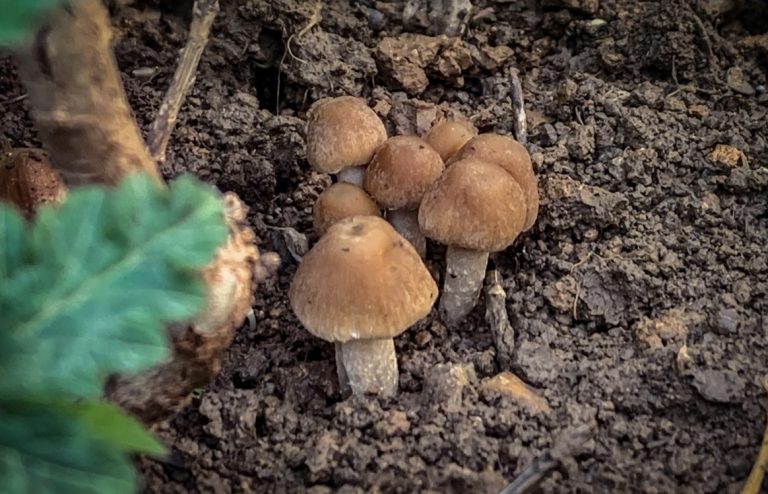
Mushrooms are the fascinating, flavorful fungi of the foodie world. Forget the packaged varieties. Nothing highlights their earthy essence like growing them yourself. With a few simple steps, these little culinary marvels can soon be thriving in your own kitchen or garden.
Story Stages
Choose Your Mushroom
First decision: Which mushroom will be your gastronomic pride? Oyster, shiitake, and white button mushrooms are your top contenders. Each has its unique flavor and growing demands. Choose one. You can’t grow everything all at once.
Choosing the right type of mushroom depends on your culinary aspirations. Oyster mushrooms, for example, are beloved for their delicate taste and versatile usage in both Asian stir-fry dishes and European stews. Shiitakes bring a rich flavor profile to sauces and soups, while white button mushrooms are a staple in salads and pizzas. Consider your personal tastes and culinary plans when making this crucial choice. Starting with one type allows you to understand the specific needs and preferences of each variety before expanding your mushroom garden.
Exploring farmers’ markets or local gourmet shops can provide inspiration for your mushroom journey. Observing how these mushrooms appear in their fresh form can give insights into what to expect and aim for. You may be tempted to experiment with rarer varieties as well, such as Enoki or Maitake, but these might require more expertise and specialized conditions.
For those wishing to delve deeper into cultivating mushrooms, finding quality spawn is crucial. If you’re looking to expand your options, consider sourcing mushroom spores for sale from reliable suppliers. They offer a range of types to cater to your exploratory spirit, ensuring you start your cultivation on the right foot.
Gather Your Equipment
No need for fancy tools or high-tech gadgets. A grow bag, some substrate, and mushroom spawns are your best friends here. You might already have some of the essentials lurking in your cupboards. Keep it simple.
The appeal of DIY mushroom cultivation is its simplicity and affordability. You don’t need extensive gardening experience or a large budget—just a willingness to experiment and learn. The basics are widely available; a sturdy storage container or even repurposed plastic bottles can serve as makeshift grow spaces. Investigate local gardening shops for substrate materials often sold in bulk, saving both money and reducing the environmental footprint.
Reusing items like old plastic containers, cardboard egg cartons, or even biodegradable bags can be effective in setting up your mushroom cultivation kit. Many enthusiasts have found success with upcycling, creating sustainable practices that not only help the environment but also give a unique character to your growing space.
Pick the Perfect Spot
This is where location plays a starring role. Mushrooms are not fussy, but they do have preferences. They want dark, cool, and humid spots. No direct sunlight, no bone-dry air. Think basements, garages, or that cozy corner in your kitchen.
Consider accessibility when choosing your growing location. Keeping your mushroom setup within easy reach allows for frequent monitoring without being overlooked. It’s common for people to designate an entire shelf or corner dedicated purely to their mushroom cultivation, ensuring that the environment’s conditions are just right.
Prepare the Substrate
The substrate is your mushroom’s bed and breakfast. Straw, wood chips, or coffee grounds can work wonders here. The key? Sterilize it. Only your mushrooms should thrive, nothing else.
Preparing the substrate isn’t just about creating a favorable environment; it’s about ensuring the absence of unwanted guests that could spoil the growth of your mushrooms. A simple method is to pasteurize the substrate briefly in boiling water or in an oven. This eliminates pests and any competing fungi, ensuring the substrate remains an exclusive home for your chosen mushroom spawn.
Enriching the substrate with extra nutrients can be a game-changer in achieving larger yields. Adding supplements like gypsum or bran may accelerate growth and enhance the overall quality of your harvest. However, always research what additions pair well with the specific type of mushroom you are growing to avoid adverse effects.
Planting Time!
Time to introduce the spawns to their new home. Mix them with the substrate. Spread evenly. Little care here means a bountiful harvest later. Place them in your chosen spot and wait.
Patience is key. Watering isn’t about drenching; it’s about maintaining moisture. Mist gently. Keep the substrate damp but not soaked. Think of it as your little mushroom spa.
Harvest with Care
Mushrooms appear overnight; one day, a barren landscape, the next, a wonderland. Twist gently to remove them. Don’t yank. They’re delicate. Harvest size varies, but once they stop growing, they’re ready.
Be it sautéed, grilled, or baked, your homegrown mushrooms are now the star of the meal. There’s satisfaction in every bite, knowing you grew them yourself. Bon appétit!
Having a steady supply of fresh mushrooms opens new culinary possibilities. Try incorporating them into a range of dishes, from hearty stews, salads, and pastas to a scrumptious topping on your weekend barbecue. Their distinct taste, refined through months of tender cultivation efforts, will undoubtedly become a highlight in your kitchen repertoire, inviting creativity and innovation in your daily menu.
Embrace the role of a home grower and experiment with various cooking methods, perhaps venturing into dehydration or even pickling for long-term preservation. Mastering these techniques allows you to enjoy your homegrown harvest all year round, making each meal a celebration of your efforts.
